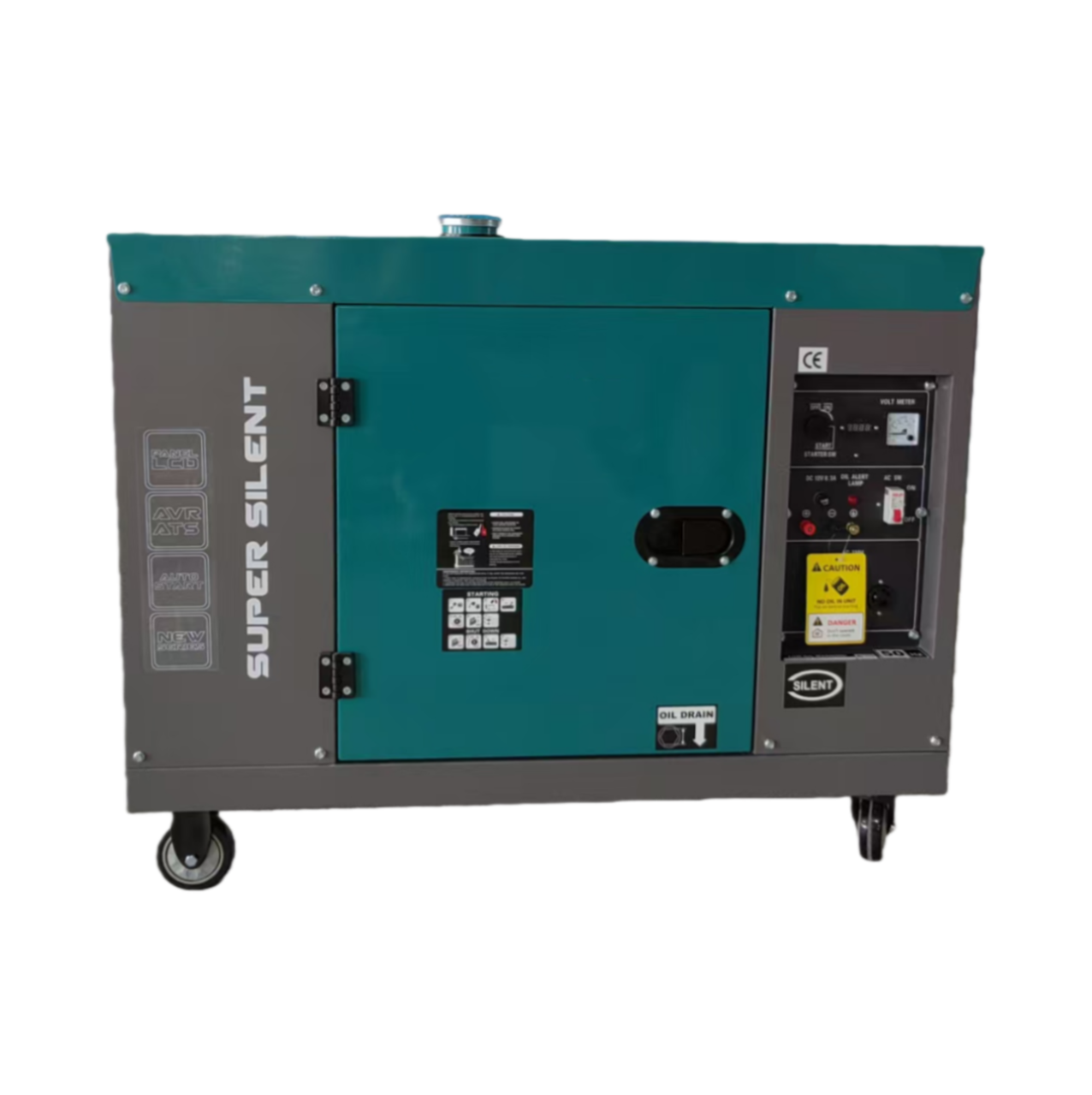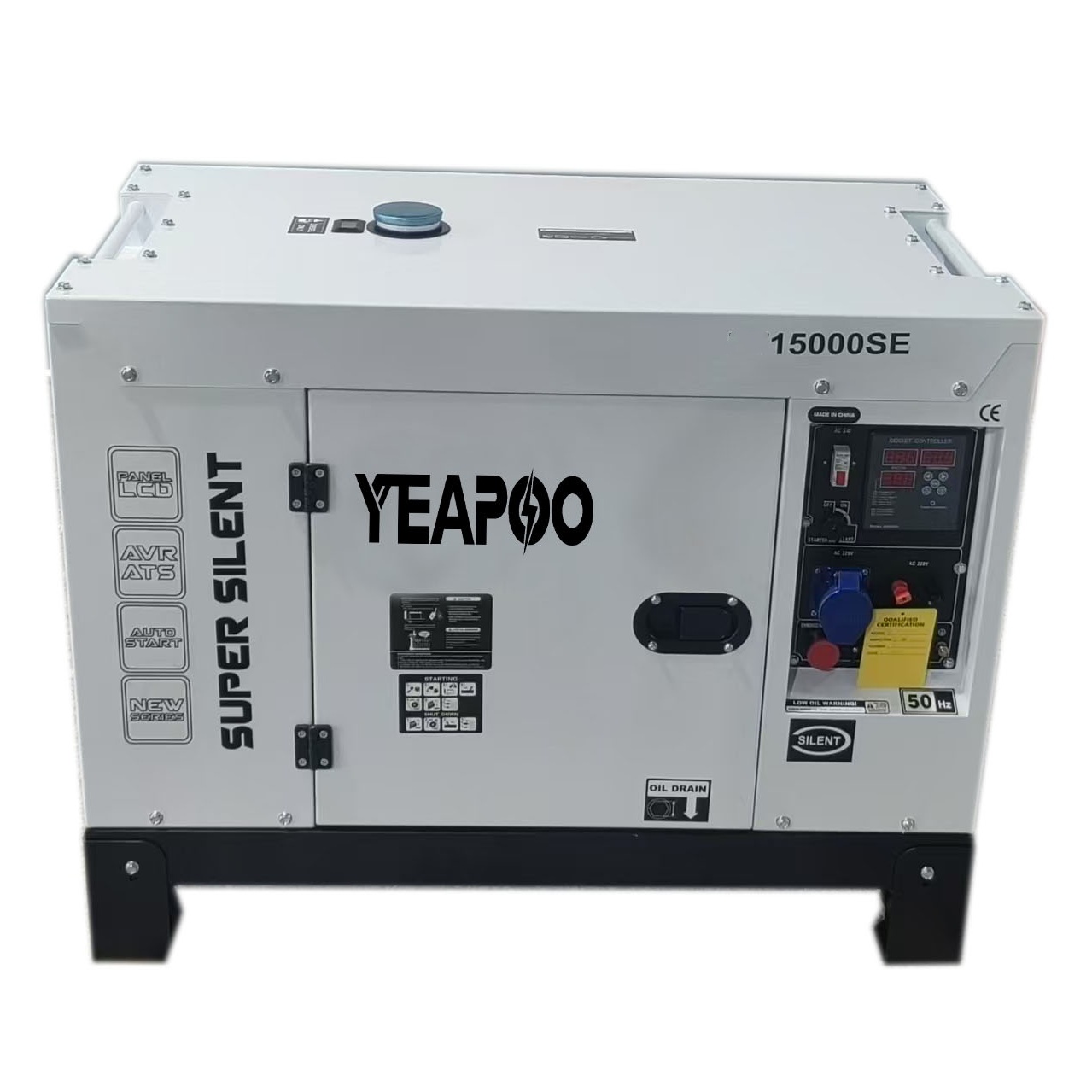

Best Diesel Generator for Home Use: A Complete Guide
Power outages are more than just an inconvenience; they disrupt your life, threaten your comfort, and can even put your family’s safety at risk. In the search for reliable backup power, diesel generators stand out for their rugged durability, exceptional fuel efficiency, and long runtimes. Unlike gasoline models, a well-chosen diesel generator is built to last and can be the difference between a stressful blackout and a manageable situation.
This guide will walk you through everything you need to know—from choosing the right type and size to key features and maintenance—so you can invest in a diesel generator that truly fits your home.
Why Choose Diesel Generator for Your Home?
While gasoline generators are common, diesel offers distinct advantages for home backup, especially if you anticipate longer outages or need to power heavier loads.
Fuel Efficiency & Long Runtime: Diesel engines operate at higher compression ratios, extracting more energy from each gallon of fuel. This means they can run significantly longer on the same amount of fuel compared to gasoline models, a critical factor during multi-day outages .
Durability & Longevity: Diesel engines are built with heavier-duty components. They typically have a longer service life and are less prone to wear and tear, making them a solid long-term investment .
Safety & Stability: Diesel fuel is less volatile (has a higher flash point) than gasoline, reducing fire risks during storage and refueling. Additionally, modern diesel generators with Automatic Voltage Regulation (AVR) provide stable power that is safe for sensitive electronics like computers and medical equipment .
Considerations: The main trade-offs are typically a higher upfront cost and louder noise levels (though modern "silent" models have largely mitigated this issue).
Step 1: Portable vs. Standby – Which is Right for You?
The first decision is whether you need a mobile power source or a permanent home backup system.
Feature | Portable Diesel Generator | Standby Diesel Generator |
|---|---|---|
Best For | Occasional use, partial power, job sites, RVs | Whole-house automatic backup, medical needs |
Power Range | 3kW - 10kW+ (Typical for home essentials) | 8kW - 20kW+ (Can run central AC, well pumps) |
Operation | Manual setup, extension cords or manual transfer switch | Automatic (ATS detects outage and kicks in) |
Convenience | Requires storage, manual refueling, and setup during storms | Hands-free; runs on natural gas or large diesel tanks |
Cost | Lower upfront (4,000+) | Higher upfront (15,000+ including install) |
Verdict: If you need to keep the lights, fridge, and a few essentials on and don't mind the manual work, a portable diesel is a cost-effective choice. If you want your home to function normally without lifting a finger during an outage, a standby generator is worth the investment.
Step 2: How to Size Your Diesel Generator Correctly
Choosing the right size (in kilowatts, kW) is the most critical step. An undersized generator will trip breakers and fail to start motors, while an oversized one wastes money and fuel.
A. Calculate Your Total Load
Make a list of the essential appliances you need to run simultaneouslyduring an outage. Pay close attention to the difference between Running Watts (continuous power) and Starting Watts (the surge needed to start motors, which can be 2-3 times higher).
Appliance | Running Watts (Est.) | Starting Watts (Est.) |
|---|---|---|
Refrigerator/Freezer | 600 - 800W | 1,800 - 2,400W |
Sump Pump (1/2 HP) | 800W | 2,150W |
Well Pump (1 HP) | 750W | 2,100W |
Central AC (3-ton) | 3,800W | 10,000W |
Window AC Unit | 1,200W | 3,600W |
Microwave | 1,000W | 1,000W |
Lights (LED, whole house) | 200 - 400W | 200W |
TV & Modem | 200W | 200W |
B. The Sizing Formula
Add Running Watts: Sum the running watts of all appliances you plan to use together.
Account for Surge: Add the single higheststarting wattage (minus its running wattage) to the total.
Add Safety Margin: Multiply the result by 1.2 (20% buffer) to get your minimum recommended generator size.
Example: (Fridge + Sump Pump + Lights + TV) = (800 + 800 + 400 + 200) = 2,200 Running Watts. Add the Fridge's surge (2,400 - 800) = 1,600W. Total = 3,800W. With a 20% buffer, you'd need at least a 4.5kW - 5kW generator.
General Rule of Thumb:
Essential Circuits Only (no AC): 5kW - 8kW
Whole House (with central AC): 15kW - 20kW
Step 3: Key Features to Look For in a Home Diesel Generator
Not all diesel generators are created equal. When comparing models, prioritize these features for home use:
Automatic Voltage Regulator (AVR): This is non-negotiable for protecting modern electronics. AVR ensures the voltage output remains stable, preventing damage to laptops, phones, and medical devices .
Soundproof / Silent Canopy: Older diesel generators are notoriously loud. Look for models with a "silent" or "super quiet" enclosure. A good residential model should operate at 65-75 dB(A) at a distance of 7 meters—about the level of a normal conversation .
Automatic Start & Transfer Switch (ATS): For standby units, an ATS is what makes the system automatic. It monitors grid power and starts the generator within seconds of an outage, then transfers the load back when power is restored .
Safety Shutdowns: Features like low-oil pressure shutdown and high-temperature shutdown protect your engine from catastrophic damage if something goes wrong .
Fuel Gauge & Large Tank: A clear fuel gauge and a large integrated tank are invaluable. Diesel generators are efficient, but a larger tank means less frequent refueling during extended outages.
Step 4: Installation, Maintenance, and Safety
Installation
Portable: Can be used with heavy-duty extension cords or connected to a manual transfer switch installed by an electrician. Never backfeed power through a wall outlet (called "backfeeding"), as it is extremely dangerous and illegal.
Standby: Requires professional installation. This includes pouring a concrete pad, connecting to the home's electrical panel via an ATS, and setting up the fuel source (diesel line or large external tank).
Maintenance Checklist
Diesel generators are reliable but require consistent upkeep:
Regular Exercise: Run the generator for at least 30 minutes under load every month to keep the engine lubricated and the system functional.
Fuel Management: Use a fuel stabilizer if you store diesel for long periods. Consider a biocide additive to prevent microbial growth ("diesel bug") in the tank.
Scheduled Service: Change the oil, oil filter, and fuel filter according to the manufacturer's hours-of-operation schedule (typically every 100-200 hours) .
Safety First
Location: Always operate a generator outdoors, away from windows, doors, and vents. Carbon monoxide (CO) is a silent killer.
Cooling: Ensure the exhaust and cooling airflows are never blocked by snow, leaves, or debris.
Conclusion: Making the Right Choice
A diesel generator is a powerful ally against power outages. By focusing on your actual power needs (not just the biggest machine), prioritizing features like AVR and a quiet canopy, and committing to regular maintenance, you can ensure your home remains safe and comfortable when the grid goes down.
For most homeowners, a 7kW - 10kW diesel generator (whether portable with a transfer switch or a smaller standby unit) strikes the perfect balance between cost and capability, covering essentials like refrigeration, water pumps, and basic lighting with room to spare.