

What Is a Diesel Generator? A Practical Home Backup Guide
Power outages can strike without warning — whether from storms, grid failures, or planned blackouts. For homeowners looking for a reliable backup solution, diesel generators have long been a trusted choice. But what exactly is a diesel generator, and is it the right fit for your home?
This guide breaks down everything you need to know: how diesel generators work, their key advantages over other fuel types, sizing considerations, and practical tips for choosing the right unit for household backup.
1. What Is a Diesel Generator?
A diesel generator is a combination of a diesel engine and an alternator (electric generator) that converts mechanical energy into electrical power. When the engine burns diesel fuel, it drives a rotating shaft connected to the alternator, which produces electricity.
Unlike gasoline or propane generators, diesel models are known for their durability, fuel efficiency, and longer lifespan — making them a popular choice for both residential standby power and commercial applications.
Key Components:
| Component | Function |
|---|---|
| Diesel Engine | Burns fuel to create rotational force |
| Alternator | Converts mechanical rotation into AC electricity (Generator Head) |
| Fuel System | Includes tank, pump, injectors, and filter |
| Control Panel | Manages start/stop, voltage regulation, and safety features |
| Cooling System | Prevents overheating (air-cooled or water-cooled) |
| Battery & Starter | Provides initial cranking power |
2. How Does a Diesel Generator Work?
The process follows four simple steps:
Fuel Combustion: Diesel fuel is injected into the engine cylinders, compressed at high pressure, and ignited by heat (no spark plugs needed).
Mechanical Rotation: The expanding gases push pistons, turning the crankshaft.
Electricity Generation: The rotating shaft spins the alternator rotor inside a stator, creating electromagnetic induction and producing alternating current (AC).
Power Output: Electricity flows through the control panel to your home's circuits or connected appliances.
Most modern home backup diesel generators feature automatic voltage regulation (AVR) to maintain stable output and low-oil shutdown for engine protection.
3. Why Choose Diesel for Home Backup?
Advantages Over Gasoline & Propane
| Factor | Diesel | Gasoline | Propane/LPG |
|---|---|---|---|
| Fuel Efficiency | Best (runs longer) | Moderate | Lower |
| Engine Lifespan | 10,000–30,000 hrs | 2,000–5,000 hrs | 3,000–8,000 hrs |
| Storage Safety | Non-explosive, stable | Volatile, degrades | Pressurized tanks |
| Maintenance | Moderate (fewer parts) | Higher (carburetor) | Low (high fuel cost) |
| Cold Start | Excellent | Can be difficult | Good with vaporizer |
Considerations:
Higher upfront cost: Diesel generators typically cost 20–40% more than comparable gasoline units.
Heavier weight: Robust engine construction means portable models require wheels or a dedicated pad.
Fuel availability: In remote areas, keep a safely stored supply with fuel stabilizer.
4. Sizing Your Home Backup Diesel Generator
Choosing the right size is critical. Too small, and you'll overload the system; too large, and you waste money on fuel and equipment.
Step 1: List Essential Appliances
During an outage, prioritize essential loads:
Refrigerator / Freezer (600–800W running, 2000W startup)
Lights (LED: 10–30W each)
Well pump (if applicable: 1000–3000W)
Furnace fan / Boiler pump (500–1000W)
Sump pump (800–1200W)
TV / Router / Chargers (200–500W total)
Step 2: Calculate Total Wattage
| Home Size | Recommended Diesel Generator Power |
|---|---|
| Small apartment / Cabin | 3–5 kW |
| Medium home (essentials only) | 5–8 kW |
| Large home (with well pump, AC) | 10–15 kW |
| Whole-house backup | 15–20 kW+ |
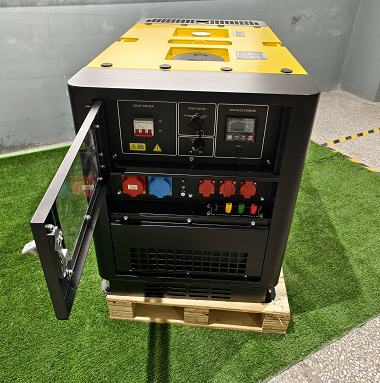
5. Types of Diesel Generators for Home Use
Portable Diesel Generators (3–12 kW)
Best for temporary backup or camping. They are cost-effective and easy to store, but require manual setup and extension cords.
Standby Automatic Generators (8–30 kW+)
Best for permanent whole-home protection. Equipped with an Automatic Transfer Switch (ATS), they require zero manual intervention but need professional installation.
Silent / Enclosed Models (5–20 kW)
Perfect for noise-sensitive suburban neighborhoods. They feature highly weather-resistant, soundproof enclosures (72–75 dBA @ 7m).
6. Installation & Safety Tips
Placement: Install outdoors in a well-ventilated area, at least 5 feet away from doors and windows. Never run inside a garage.
Electrical: Use heavy-duty, outdoor-rated extension cords, or hire an electrician to install a dedicated transfer switch.
Fuel Storage: Add stabilizer if storing fuel longer than 6 months, and rotate your fuel annually.
Maintenance: Check oil regularly, replace filters annually, and run the unit monthly for 20–30 minutes under load to keep components lubricated.
7. Real-World Example: YEAPOO Home Backup Solutions
As a practical example, YEAPOO offers a full lineup of diesel generators tailored for home backup across different needs:
| Model | Rated Power | Type | Key Features |
|---|---|---|---|
| DG7500SE | 5 kW | Silent Portable | 72 dBA, wheel kit, single/three-phase switch |
| YDE10000SE | 6.5 kW | Silent Portable | Pure copper alternator, AVR, low-oil shutdown |
| YDE13000SE | 10 kW | Silent Water-Cooled | Extended runtime, ideal for medium homes |
| DG15000SE | 12.5 kW | Silent Heavy-Duty | V-twin engine, ATS compatible |
| DG18000SE | 16 kW | Open-Frame Industrial | Maximum durability for large homes |
All YEAPOO generators feature:
100% pure copper winding alternators
Direct injection diesel engines for long service life
Full CE & ISO9001 certification
OEM/ODM customization available (colors, panels, voltages)
8. Final Verdict: Is a Diesel Generator Right for Your Home?
✓ Consider diesel if:
You experience frequent or long-duration outages.
You prioritize long engine lifespan (15–20 years).
Safe fuel storage is a major concern (diesel is non-explosive).
✗ Consider other options if:
Upfront budget is extremely tight.
You only need very brief, rare backup.
| Summary Table | |
|---|---|
| Best for home backup | 5–12 kW silent diesel generator |
| Top advantage | Long lifespan & fuel efficiency |
| Fuel storage | Safe, stable for months with stabilizer |
| Maintenance | Simple – oil/filter changes twice yearly |
| Typical cost (unit only) | $800–$3,000 (portable); $3,000–$8,000+ (standby) |
Need help selecting the perfect diesel generator for your home? Contact YEAPOO for expert guidance and customized solutions based on your specific power requirements.
Please Contact Us!
Recommended Products
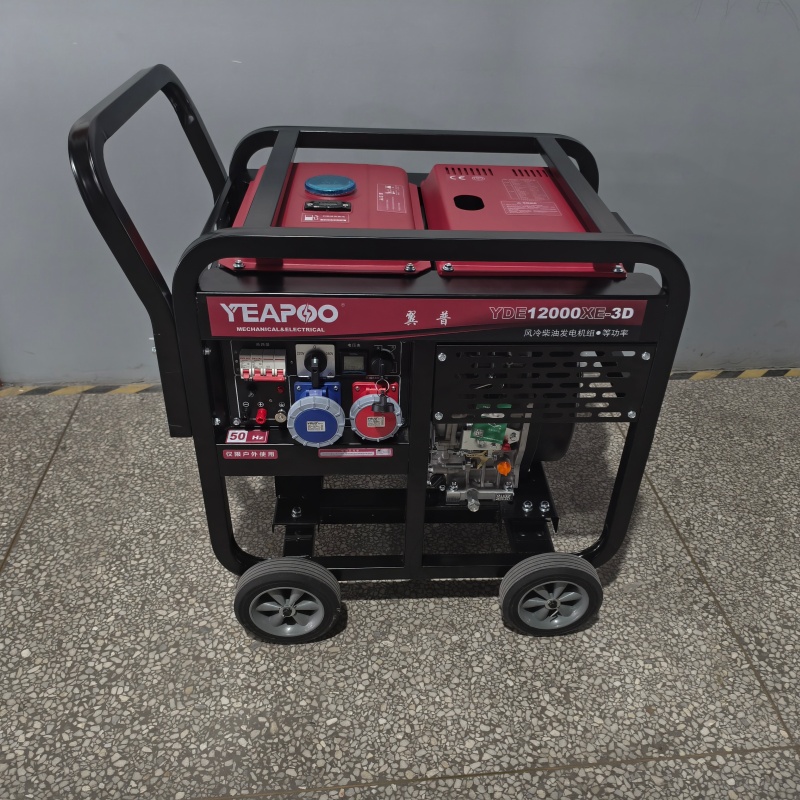
ODM&OEM 8kva10kva Open Frame Diesel Generator for Home & Business
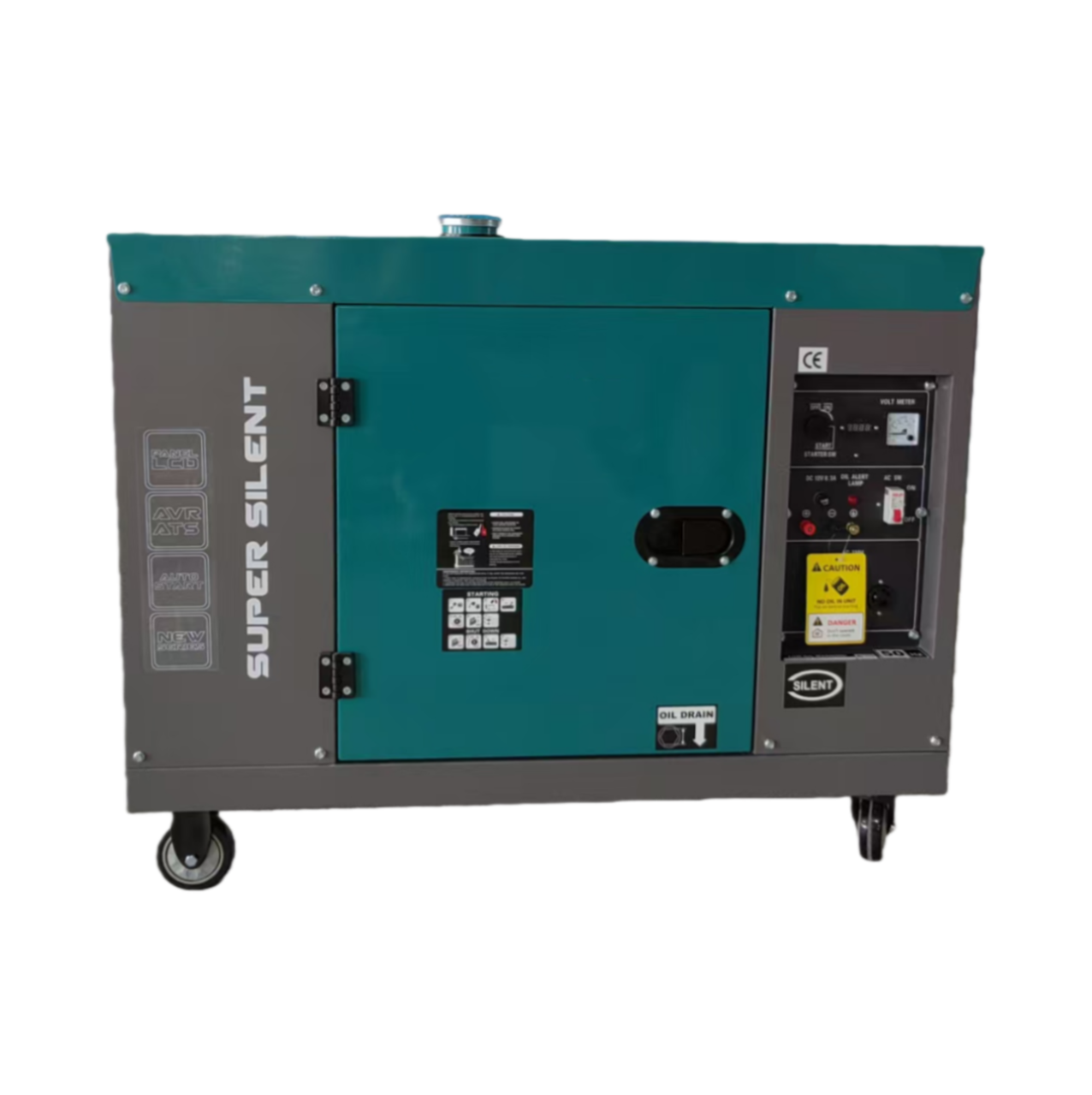
DG11000SE 7KW Small Silent Diesel Generator for Home
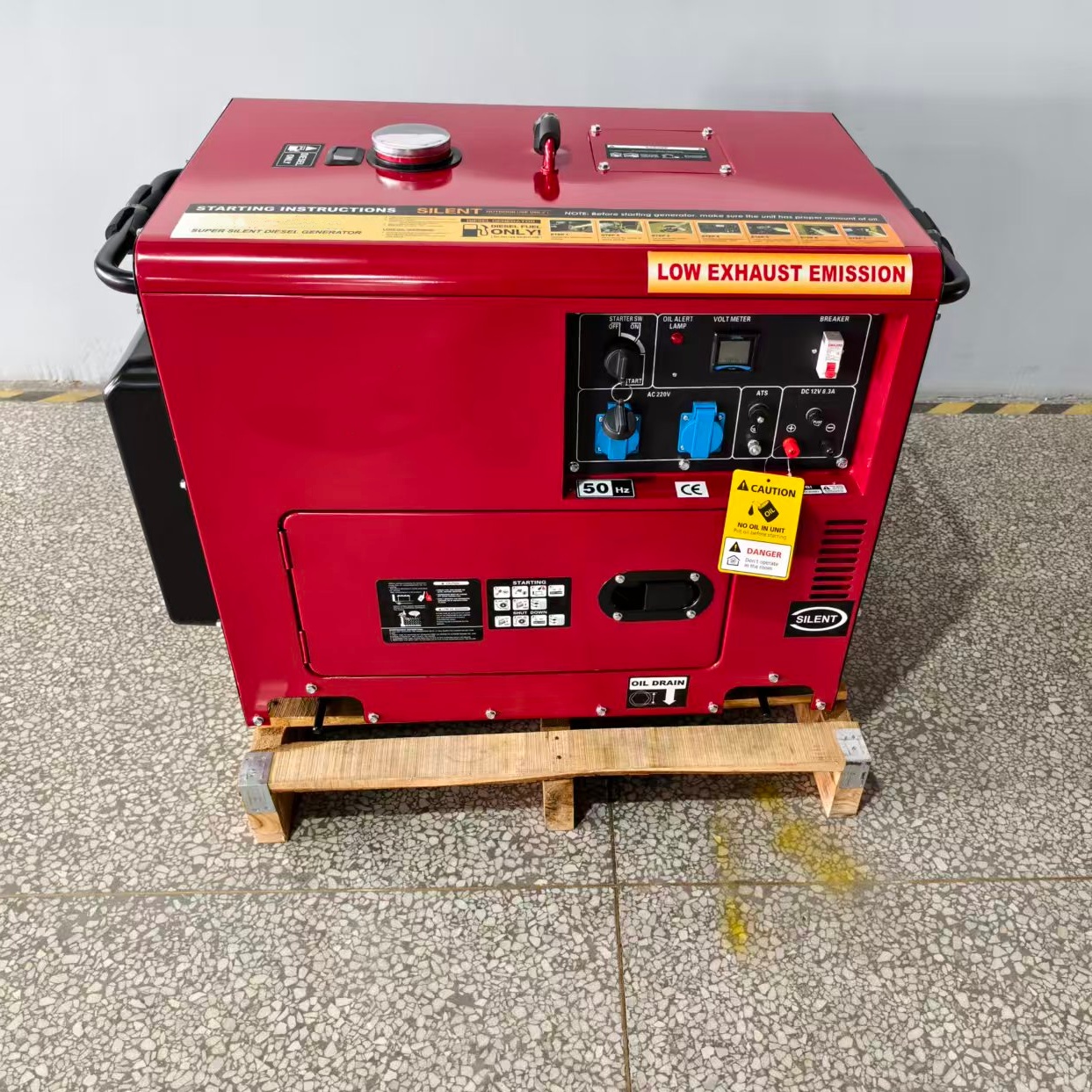
5kW Silent Portable Diesel Generator for Home Backup DG7500SE
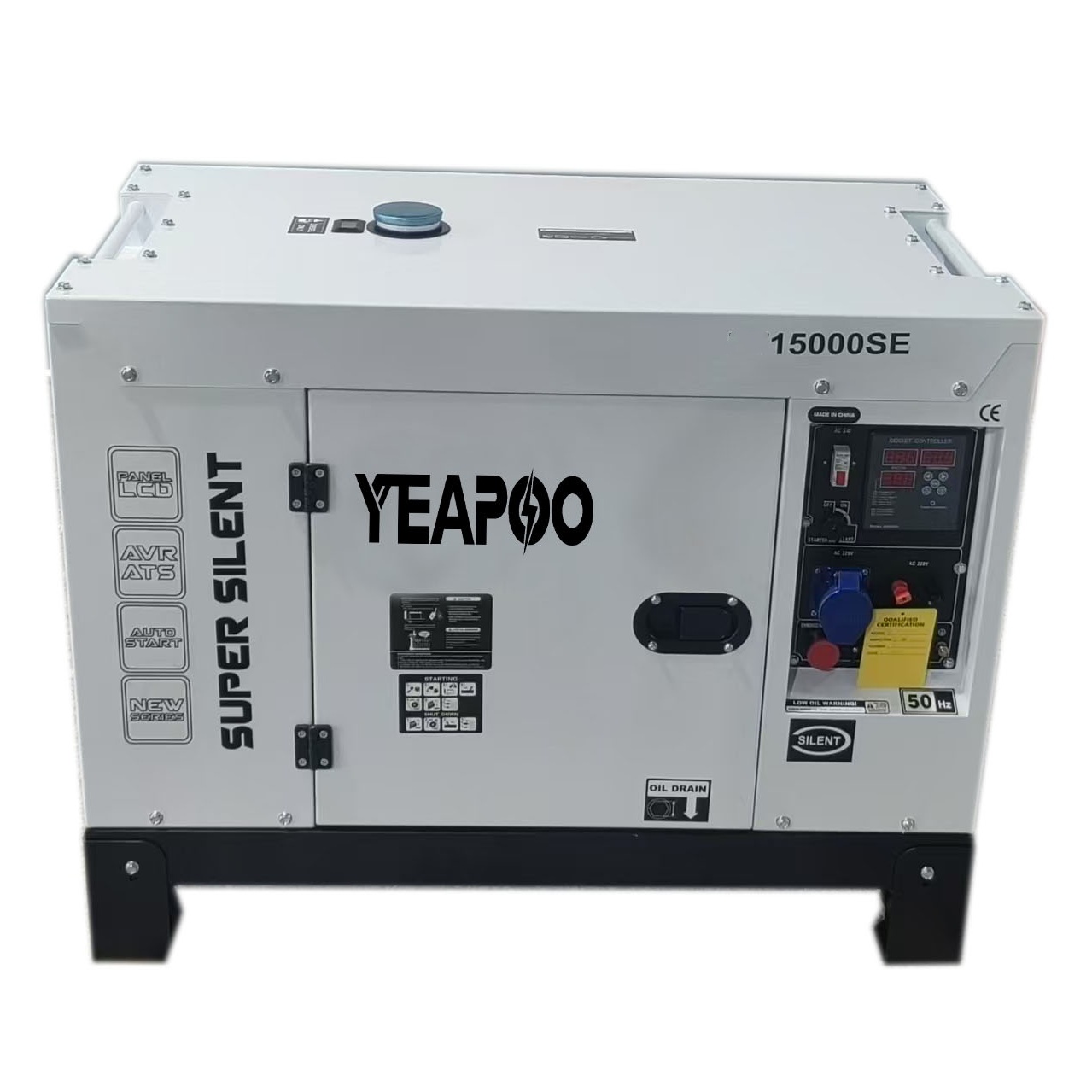
DG12000SE 10KW 12KVA Portable Silent Diesel Generator for home backup
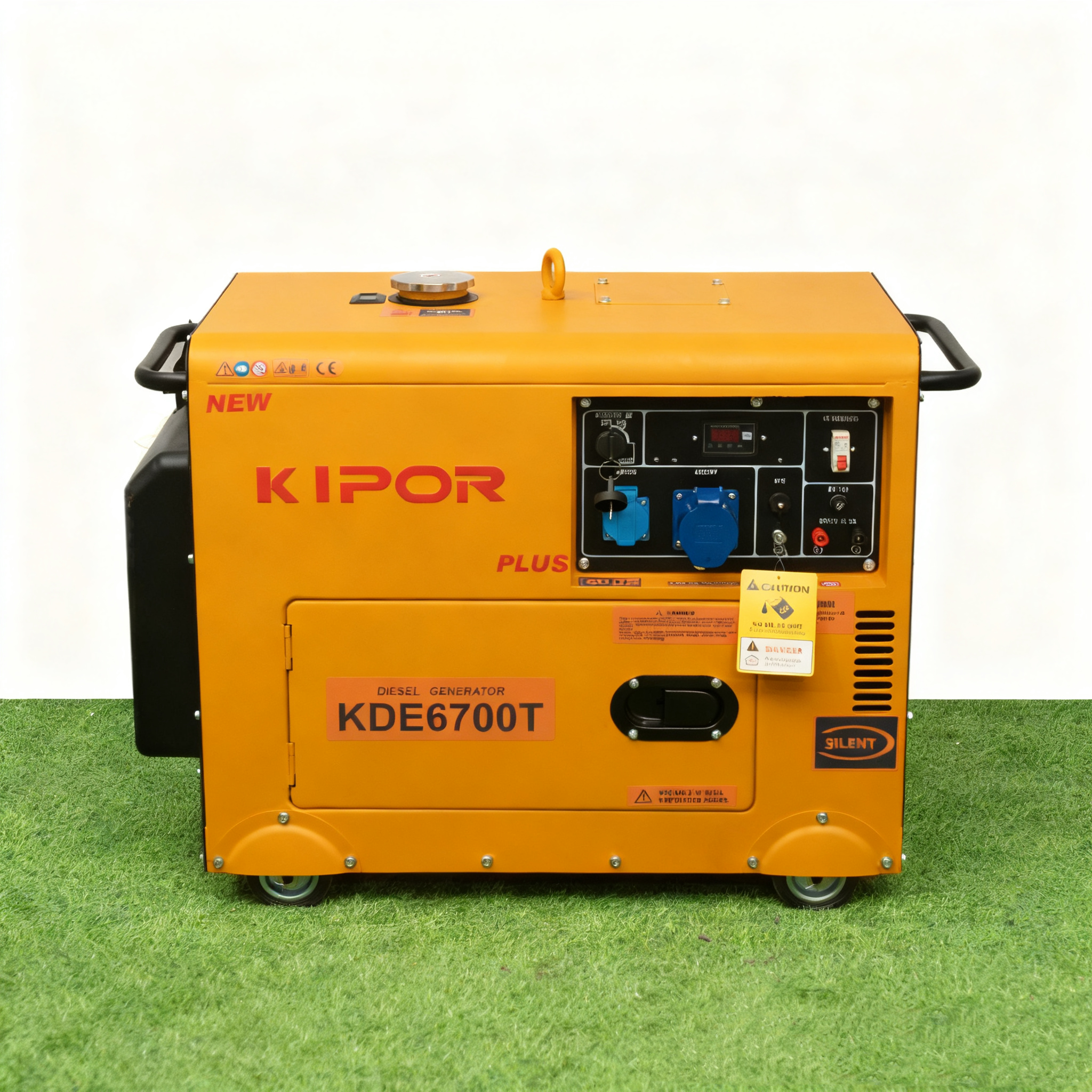
5kW Portable Silent Diesel Generator for Home & Business

DG7500SE 5kW (6kVA) Silent Diesel Generator for Home & Business